How Dermaplaning Benefits Your Facials (And Every Treatment After It)
If you’ve ever wondered why your favorite serum doesn’t seem to soak in the way it should, or why your facials feel good but the results fade fast, the answer might be sitting right on the surface of your skin — literally. Dead skin cells and fine facial hair, also known as vellus hair or “peach fuzz,” build up over time and quietly block your products and treatments from doing their best work. That’s where dermaplaning comes in, and it’s exactly why this simple treatment has become one of the most requested add-ons at Collab Medspa.
What Is Dermaplaning?
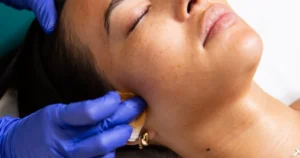
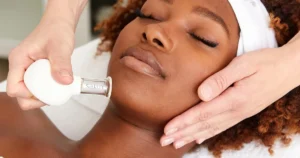
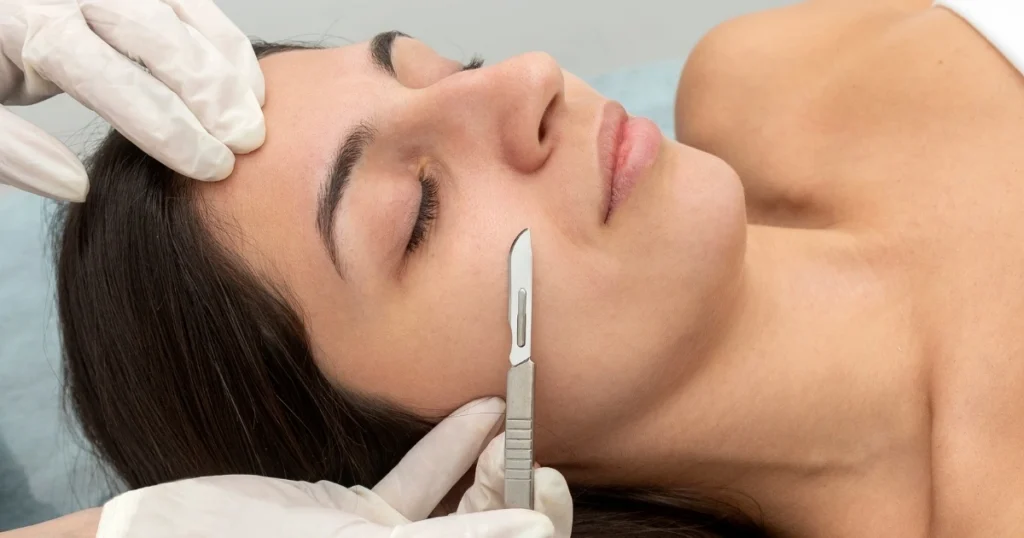
Dermaplaning is a gentle, non-invasive exfoliation method. During your session, a trained esthetician uses a sterile surgical scalpel to carefully glide across your face, removing dead skin cells and peach fuzz in one smooth motion. The whole process takes about 15 minutes, and it’s typically added onto another facial or treatment rather than done on its own. Because there are no chemicals or harsh tools involved, dermaplaning is considered safe for nearly every skin type, including sensitive skin.
How Dermaplaning Boosts the Results of Other Treatments
This is really where dermaplaning shines. Your skin’s top layer, made up of dead cells and fine hair, acts like a barrier. Even the best serums, peels, or facials can only work as well as what’s able to reach your skin. Once that barrier is cleared away, everything you apply afterward, from hydrating serums to professional treatments like chemical peels or microneedling, can absorb more deeply and work more effectively.
This is why estheticians often recommend dermaplaning right before a facial, rather than as a separate appointment. It essentially preps your skin to get the most out of whatever treatment follows. Clients often notice that their skincare products feel like they’re working harder, and that makeup applies more smoothly and evenly afterward too.
Additional Benefits You’ll Notice
Beyond boosting your other treatments, dermaplaning offers a few standout benefits on its own. First, it smooths out rough or uneven texture, which leaves your complexion looking brighter and healthier right away. Second, the light stimulation from the treatment encourages cell turnover and collagen production, which can help soften the look of fine lines over time. And third, removing peach fuzz means less trapped dirt and oil, so skin looks clearer and less congested. Many clients say this last benefit alone keeps them coming back every month.
Dermaplaning vs. Other Exfoliation Methods
So how does dermaplaning stack up against other ways to exfoliate? Chemical peels and enzyme treatments work by dissolving the bonds between dead skin cells, which can be effective but sometimes leaves sensitive skin feeling irritated or red. Microdermabrasion uses a device to physically buff away dead skin, which is great for texture but can feel a bit more intense. Dermaplaning, on the other hand, offers a gentler middle ground. Because it’s a physical exfoliation without any chemicals or abrasive particles, it tends to cause less irritation while still delivering a deep, visible exfoliation. It’s also one of the only methods that removes vellus hair, which peels and microdermabrasion simply can’t do.
Who Should Avoid Dermaplaning
While dermaplaning is safe for most people, it isn’t the right fit for everyone. If you have active acne breakouts, the treatment can spread bacteria and irritate inflamed skin further, so it’s best to wait until breakouts clear. The same goes for anyone with active cold sores, open wounds, or sunburned skin, since the treatment could worsen irritation in those areas. If you’re unsure whether dermaplaning is right for you, our estheticians are happy to walk through your skin’s history during a consultation and recommend the best option, including alternatives like oil-planing for those with sensitive or reactive skin.
Aftercare: Getting the Most Out of Your Treatment
Once your dermaplaning session is done, your skin will be noticeably smoother, but it will also be a little more sensitive for the next day or two, since that fresh layer of skin is now exposed. Sunscreen becomes extra important during this window, so be diligent about applying SPF daily, even if you’re just running errands. It’s also a good idea to avoid harsh exfoliants, retinoids, or intense workouts that cause heavy sweating for about 24 to 48 hours afterward, since your skin needs a little time to settle. Keeping your skin hydrated with a gentle moisturizer will help lock in that post-treatment glow.
How Often Should You Get Dermaplaned?
For the best results, we recommend scheduling a dermaplaning treatment every three to four weeks. This timeline lines up with your skin’s natural renewal cycle, giving it enough time to regenerate fully between sessions while keeping your results consistent month after month.
What It Costs
Dermaplaning isn’t offered as a standalone treatment. Instead, it’s added onto any facial or treatment you’re already booking. The add-on costs $32 for guests and $26 for members, making it one of the most affordable ways to noticeably upgrade the results of any facial.
Ready to Try It?
If you haven’t added dermaplaning to your routine yet, there’s no better time to start. It’s quick, it’s gentle, and it makes every product and treatment that follows work that much harder for your skin. Ask about adding dermaplaning to your next appointment at Collab Medspa in Scottsdale, AZ, and see the difference a smoother, clearer canvas can make.