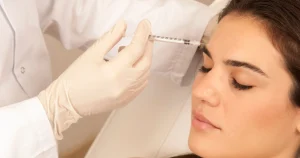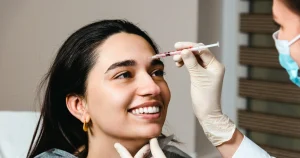
Microneedling can sound intimidating at first, since it does involve tiny needles and your skin. But those needles serve a purpose. The treatment creates controlled micro-injuries in the skin, which set off your body’s natural healing process. As your skin repairs itself, it produces more collagen and elastin.
At Collab Medspa, we use SkinPen for our microneedling treatments. It’s one of our favorites because it can address so many different concerns, and it can be adjusted to fit each person’s skin and goals.
What Does Microneedling Actually Do to Your Skin?
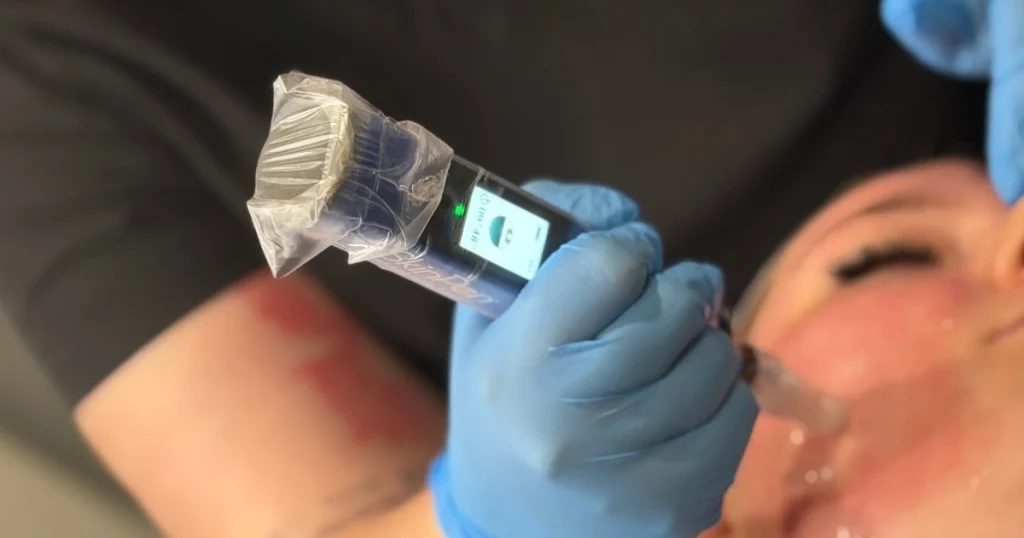
During treatment, tiny needles move rapidly in and out of the skin, creating thousands of microchannels. Our SkinPen uses 14 ultra-fine, surgical-grade stainless steel needles, and we can adjust their depth as we work.
The goal isn’t to injure the skin as much as possible. It’s to create just enough controlled injury to encourage your skin to repair itself. Once that healing response kicks in, collagen and elastin production increase, and over time your skin can look smoother, firmer, and healthier.
What Can Microneedling Help Improve?
One of the things we love most about microneedling is its versatility. At Collab Medspa, we use it to help with acne scars, fine lines and wrinkles, uneven texture, and other signs of aging. We’ve seen especially impressive results with acne scarring, and it’s a great option for clients who want to soften fine lines and refine their overall skin texture.
That said, skin changes take time. Microneedling stimulates a process within your own skin, and that process doesn’t happen overnight.
Is One Microneedling Treatment Enough?
This is one of the most common misconceptions we hear. Plenty of clients want to try a single treatment and then decide whether it “worked.”
You may notice some improvement after one session, but we believe the real benefits come from a series of treatments that build on each other. We typically recommend starting with three, spaced about four to six weeks apart, which gives your skin time to heal between sessions. It helps to think of microneedling as a process rather than a one-time event.
Why Don’t We Start With the Most Aggressive Setting?
Every person’s skin is different. For a first treatment, we want the results to be effective, but we also want the experience to be safe.
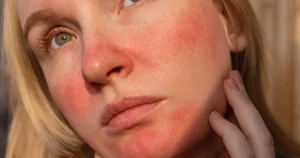
So we usually start conservatively to see how your skin responds. That doesn’t mean you’re getting a weak treatment. During the session, we look for signs that your skin is reacting the way it should, such as erythema (redness) and, in some areas, pinpoint bleeding. Once we know how your skin responds, we can use that information to guide future treatments.
Because SkinPen lets us adjust depth, we can tailor each session to your skin, your goals, the area being treated, and how you responded last time. As the series progresses, we can increase the intensity when it’s appropriate, always with the health and safety of your skin coming first.
Does Microneedling Hurt?
We hear this one all the time. Before your treatment, we apply numbing cream to keep you comfortable, and we check in with you throughout. You may feel some discomfort in certain areas, but you shouldn’t feel significant pain. A treatment doesn’t have to hurt to work, and more aggressive doesn’t always mean better.
Does Your Face Need to Bleed for Microneedling to Work?
No, and this is one myth we’d love to see disappear.
You may have seen photos or videos of people with blood covering their faces after microneedling, and those images can make it seem like a bloody treatment is a better one. That’s not how we approach it at Collab Medspa.
A little pinpoint bleeding can happen, especially in certain areas or when treating certain concerns, but the goal is never to make the whole face bleed. Excessive trauma isn’t necessary to trigger the healing response we’re after, and it can lead to more inflammation and a greater chance of unwanted side effects. Microneedling should be controlled and intentional. The goal is healthier skin, not the most dramatic-looking treatment.
Why Does the Microneedling Device Matter?
Not every microneedling device is the same, and we encourage clients to do their research before choosing a provider.
We use SkinPen, an FDA-cleared device backed by clinical research. Its adjustable needle depth lets us customize treatments for different areas and concerns. If you’re considering microneedling, start by asking which device a provider uses. You can also visit the manufacturer’s website to learn more about the technology and find authorized providers near you.
Then take your research a step further by reading the provider’s Google reviews and scheduling a consultation. The device matters, but so does the person using it.
A Good Microneedling Plan Should Include More Than Microneedling
This is one of the biggest differences between simply receiving a treatment and having a true skin plan.
A good provider won’t just explain how microneedling works. They’ll ask what you ultimately want to change about your skin and build a complete plan around it. For some clients, that includes professional skincare products to support the skin between treatments, along with facials in between sessions to keep the skin healthy and ready for the next round.
You should also get clear pre-care and post-care instructions, so you know what to do before your appointment, what to expect during it, and how to care for your skin afterward. You should never be left wondering what comes next.
How Does Microneedling Work Best?
In our experience, the best results don’t come from making one treatment as aggressive as possible. They come from consistency.
Start with a safe, effective treatment and learn how your skin responds. Give it time to heal, then build on that as your skin allows. Support the process with good skincare, regular skin treatments when appropriate, and proper home care. Most of all, work with a provider who takes the time to understand your skin instead of treating every client the same way.
At Collab Medspa, our goal is for you to feel comfortable, confident, and excited about your microneedling plan.