Have you tried everything to clear your acne, only to watch it stick around? Maybe you’ve switched cleansers, moved up to stronger treatments, and followed every skincare tip TikTok has to offer. Those stubborn bumps are still there.
Here’s something you might not expect: what you’re seeing may not be acne at all.
At Collab Medspa in Scottsdale, we hear this story a lot. Clients come in frustrated after trying product after product, and often the issue isn’t their routine. They’ve been treating the wrong skin condition. One possible culprit is fungal acne.
The good news is that once you know what’s behind your breakouts, you can start doing something that actually works.
What Is Fungal Acne?
Despite the name, fungal acne isn’t acne. Its medical name is Malassezia folliculitis, and it’s caused by an overgrowth of yeast that lives on your skin naturally. When that yeast gets out of balance, it can irritate your hair follicles and produce small, acne-like bumps.
Traditional acne, or acne vulgaris, works differently. It starts when pores clog with oil and dead skin cells, and bacteria and inflammation often join in.
That difference matters, because fungal acne and traditional acne need different treatments. To complicate things further, you can have both at the same time. We regularly see clients with a mix of traditional breakouts and ones that may be fungal, which is why we like to understand your skin before recommending anything.
How Can You Tell the Difference Between Fungal Acne and Regular Acne?
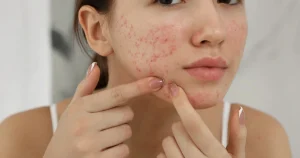
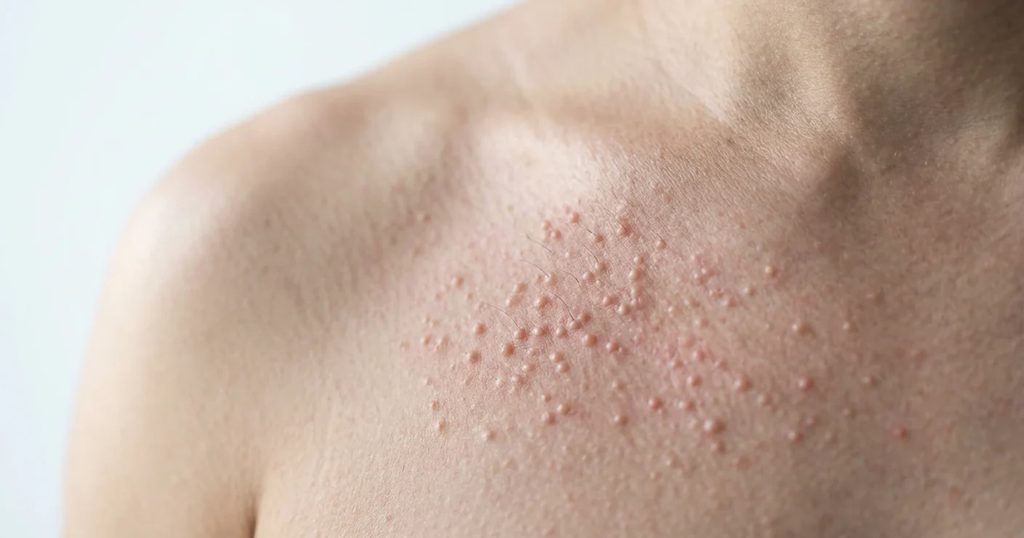
The first thing our estheticians notice is how the breakouts look. Traditional acne tends to be a bit random: a few blackheads, some whiteheads, maybe a couple of larger red pimples, all different sizes and scattered across the skin. Fungal acne looks more uniform. The bumps are usually small and similar in size, and they often show up in clusters or in a noticeable pattern.
How your skin feels is another clue. Fungal acne is often itchy, and some people feel a burning sensation too. Traditional acne can itch or feel irritated now and then, but persistent itching suggests something else may be going on.
Location helps as well. Fungal acne commonly appears on the forehead, chest, back, shoulders, and other spots where sweat and heat build up.
Still, appearance alone can’t confirm it, because other skin conditions can look very similar. If the diagnosis isn’t clear, a dermatologist can tell you for sure.
What Causes Fungal Acne?
Fungal acne appears when Malassezia yeast grows out of control around the hair follicles. The yeast normally lives on our skin without trouble, but certain conditions help it multiply. Heat, sweat, humidity, and trapped moisture are the big ones, and if you live in Scottsdale, you know staying cool and dry isn’t always easy.
Many of our clients are very active. They hike, work out, play sports, or head to hot yoga, which is great for your health. But sweat and snug clothing can also create the perfect environment for fungal breakouts.
One client of ours loved hot yoga and kept struggling with stubborn fungal acne. Along with recommending the right products, we suggested she shower right after class rather than letting sweat sit on her skin. Another client, a hiker, noticed his breakouts showed up almost exactly where his CamelBak rested against his body. The pack was causing friction and trapping sweat against his skin, and that pattern was an important clue.
Sometimes a few small changes to your daily habits make a surprisingly big difference.
Why Your Regular Acne Products Aren’t Working
This is one of the most common mistakes we see. A breakout shows up, and people reach for their usual acne products: a stronger cleanser, a drying spot treatment, an exfoliating acid. When those don’t work, they use them more often or buy something even stronger. Before long, their skin is red, dry, irritated, and more sensitive than ever. The original breakout is still there, and now the skin barrier is struggling too.
Here’s why it happens. Traditional acne products are made to tackle clogged pores, excess oil, and acne-related bacteria. They don’t directly treat the yeast behind fungal acne, so a product that works beautifully on regular acne may do very little for the fungal kind.
At Collab Medspa, we’re big believers that less is more when it comes to skincare. You don’t need a bathroom full of products. You need a simple routine, the right ingredients, consistency, and, most importantly, a clear idea of what you’re actually treating.
Does AviClear Treat Fungal Acne?
It’s a fair question, especially since we offer AviClear at Collab Medspa, and the answer is no. AviClear is not a treatment for fungal acne.
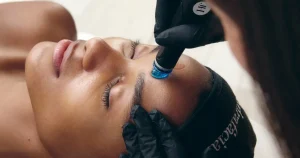
AviClear is an FDA-cleared laser treatment for mild to severe acne vulgaris. It targets the skin’s oil-producing glands to reduce traditional acne, but fungal acne comes from yeast overgrowth in the hair follicles, and AviClear doesn’t target that yeast. The same goes for many other acne treatments. Chemical peels, acne facials, and typical acne skincare may help with other concerns, but they aren’t antifungal and won’t address the cause of fungal acne.
And because some people have both conditions at once, someone might benefit from AviClear for traditional acne while still needing a separate treatment for the fungal part. That’s exactly why a good skin assessment matters. Before you invest in products or treatments, you want to be sure you’re solving the right problem.
How Do You Treat Fungal Acne?
Fungal acne is often very manageable once you know what’s causing it, but the approach is different from treating traditional acne.
Start With Simple Lifestyle Changes
We usually begin by talking through a client’s daily routine. Do they play sports several times a week? Go to hot yoga? Hike with a pack? Stay in sweaty clothes after a workout? These details matter.
For our teen athletes, we suggest showering as soon as possible after practices and games. If a shower isn’t available right away, gently cleaning sweaty skin with a suitable wipe can help until they can wash properly. We also encourage changing out of sweaty clothes, choosing breathable fabrics when possible, and not leaving damp gear against the skin for long stretches.
If a backpack, sports bra, helmet, or other piece of equipment rubs against an area with breakouts, pay attention to that pattern. Small habits like these can reduce the heat and moisture that make fungal acne worse.
Consider an Appropriate Antifungal Treatment
Because fungal acne involves yeast, antifungal treatment is often needed. Some over-the-counter products contain ingredients like ketoconazole or clotrimazole, but the right product, and how to use it, depends on where the breakouts are, how your skin is doing, and whether fungal acne is truly the cause.
It’s best to check with a dermatologist or another qualified healthcare professional before you start, especially if you’re not sure what you’re dealing with. Our estheticians can help you review your routine, spot habits that may be contributing, and understand when it’s time for medical care.
Keep Your Skincare Routine Simple
Regular skincare products won’t treat the yeast, but a gentle routine can still keep your skin healthy. We usually recommend a gentle cleanser, a moisturizer that suits your skin, and daily sunscreen. Skip the pile-up of strong acne products and harsh exfoliants meant to clear things faster.
The goal is to support your skin barrier while the underlying condition is treated. After all, healthy skin is just as important as clear skin.
When Should You See a Dermatologist for Fungal Acne?
Sometimes lifestyle changes and appropriate over-the-counter care aren’t enough. If you suspect fungal acne and it hasn’t improved after about two to four weeks, we encourage you to see a dermatologist. An earlier visit makes sense if you’re unsure of the diagnosis or your symptoms are severe.
A dermatologist can confirm whether the bumps are Malassezia folliculitis or something else, and if needed, they can prescribe stronger antifungal creams or oral antifungal medication. No amount of regular acne cleanser can replace the right medical treatment when you need it.
Our goal at Collab Medspa is always to get you the care that’s right for your skin, even when that means referring you to another professional.
Can You Prevent Fungal Acne From Coming Back?
If you’re prone to fungal acne, your daily habits go a long way toward preventing flare-ups, and for many active clients the changes are surprisingly simple. Shower after sweaty workouts, change out of damp clothing, keep sports equipment and anything that rests against your skin clean, and notice whether certain activities seem to trigger breakouts.
It also helps not to assume every new bump needs a stronger acne treatment. If a breakout looks different from your usual acne, feels itchy, or keeps coming back in the same places, it may be time to get it checked. A simple, consistent routine, plus the right medical care when you need it, can take you a long way.
Stop Guessing and Start Understanding Your Skin
Here’s what we most want you to take away: if you’re struggling with acne, whether it’s fungal, traditional, or a combination of both, don’t wait to get help. Fighting it on your own is exhausting. Instagram and TikTok are full of products, trends, and opinions, and a lot of that advice simply isn’t right for your skin. We see clients spend months trying one thing after another, only to end up frustrated, discouraged, and dealing with an irritated skin barrier.
It doesn’t have to go that way. At Collab Medspa in Scottsdale, our estheticians take the time to understand your skin, your routine, and your goals. We help you cut through the noise and build a simple plan that makes sense for you, and we know when a concern calls for a dermatologist’s diagnosis or medical treatment.
Because great skincare isn’t about the priciest products or the strongest treatments. It’s about using the right products, for the right reasons, at the right time.
This article is for educational purposes and does not replace medical advice. Fungal acne can look like other skin conditions, so a dermatologist may be needed to confirm the diagnosis and recommend appropriate treatment.