If you’ve started noticing fine lines on your forehead or around your eyes, you may be wondering whether it’s time for Botox. Maybe your friends have been talking about “preventative Botox” and you’re curious what that actually means.
Here’s the good news: there’s no perfect age to start.
At Collab Medspa in Scottsdale, Arizona, we believe Botox should be as individual as you are. Your expressions, genetics, lifestyle, and goals all shape when, or whether, it makes sense to begin. Let’s walk through what preventative Botox is, how it works, and how to tell if it’s right for you.
What Is Preventative Botox?
Preventative Botox simply means starting treatment before deep wrinkles show up. The idea is to soften the repeated movements that, over time, can etch lasting expression lines into your skin.
Every time you smile, squint, frown, or raise your eyebrows, your facial muscles move and create temporary lines. When you’re younger, those lines vanish as soon as your face relaxes. As your skin ages, though, some of them begin to linger even when you’re not making an expression.
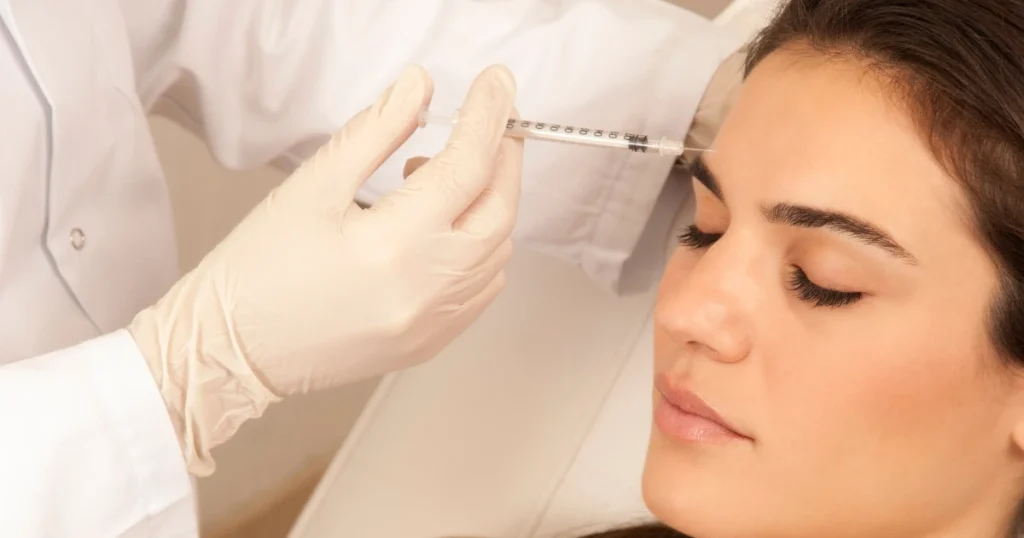
Botox temporarily relaxes specific facial muscles, so those muscles press fewer strong creases into the skin. The point isn’t to stop your face from moving. It’s to soften the movements that may lead to deeper wrinkles later.
What Age Should You Start Preventative Botox?
It’s one of the questions we hear most, and our answer is always the same: there’s no magic age. Some people benefit from starting in their mid-20s, others don’t need it until their 30s or 40s, and some decide it isn’t for them at all.
That’s why we don’t recommend Botox based on a birthday. Instead, we look at your skin, your expressions, and what you hope to achieve. In a consultation, we pay close attention to the lines that appear when you raise your eyebrows, frown, or smile, and whether those lines stay visible when your face is at rest.
We’ll also ask about your family. Does your mom have deep forehead lines? Does your dad have strong frown lines? Has either of them had Botox, and if so, when did they start? Genetics can offer helpful clues about how your skin may age, but they don’t tell the whole story, so we talk about your lifestyle and skincare habits too.
A Real Preventative Botox Story From Collab Medspa
One of our younger clients came to us in her mid-20s. She knew she wanted to try Botox but wasn’t sure where to begin. Her biggest worry was ending up like her mom, who had developed deep wrinkles over the years. The two of them looked so much alike that she assumed the same thing was coming for her.
We started with the expression lines that bothered her, then moved on to her family history and daily habits. That’s where things got interesting. Her mom had smoked when she was younger, and our client never had. Her mom also hadn’t been consistent with sunscreen, while our client wore it every single day.
Those differences matter. Smoking and sun exposure can both speed up visible skin aging, so even though she shared her mom’s genetics, her skin wouldn’t necessarily age the same way. Hearing that eased a lot of her worry.
She still wanted to address the forehead lines she was noticing, so we settled on a light treatment that softened them while letting her move her forehead and brows naturally. She loved that she still looked like herself. Today she comes back about every five months, and while her plan may change as she gets older, she’s happy with where it is now.
That’s what we love about preventative Botox. It isn’t about changing how you look. It’s about building a plan that feels right for you.
Can You Get Preventative Botox Without Looking Frozen?
Absolutely. A frozen look isn’t the goal for everyone, and it’s certainly not our default approach. Every Botox treatment at Collab Medspa is customized, whether it’s preventative or aimed at more established wrinkles.
Before we treat you, we want to hear what your ideal result looks like. Do you want your forehead to move naturally? Do you like a little arch in your brows? Would you rather soften your expressions without losing your personality? Your answers shape the plan.
For many preventative clients, a smaller, carefully placed dose is enough to calm strong expressions while keeping some movement. You may hear this called “Baby Botox,” which is just an informal term for using smaller amounts of a neuromodulator, not a different product. Smaller doses aren’t automatically right for everyone, though. Your muscles and your goals determine the best approach.
What Happens If You Don’t Love Your Botox Results?
Botox is a process, and we like our clients to know that going in. If you’ve had it before, we’ll ask what you liked and what you’d change. Maybe you loved your smooth forehead but wanted more brow movement, or one area had more movement than you wanted. That feedback is valuable.
Results usually take several days to develop, and the full effect often becomes clear around the two-week mark. If something doesn’t feel quite right at that point, we encourage you to check in. A small touch-up can sometimes help, although not every concern can be solved by adding more Botox, so your injector will assess your results first.
These follow-ups also teach us how your muscles respond, which lets us fine-tune your next treatment and get closer to the result you want.
Common Myths About Preventative Botox
Younger clients often arrive with a good understanding of Botox, but a few myths still come up.
Myth 1: Preventative Botox stops all signs of aging
Botox can soften wrinkles caused by repeated muscle movement, but it doesn’t stop the aging process. Sun damage, collagen changes, volume loss, and skin laxity all affect how your skin looks over time. We think of Botox as one piece of a bigger skin health plan, not the whole plan.
Myth 2: If you stop Botox, your wrinkles will get worse
Botox is temporary. When it wears off, your muscles gradually regain movement. Your skin keeps aging naturally, but stopping treatment doesn’t suddenly make your wrinkles worse. You’re free to continue, adjust your schedule, or take a break.
Myth 3: Preventative Botox will make your face look frozen
Not necessarily. The amount used, where it’s placed, and how your muscles respond all affect the outcome. For many clients, we aim to soften expression lines while preserving natural movement. The key is finding an injector who listens to your goals.
Myth 4: Starting young means you’ll need more and more forever
Starting early doesn’t automatically mean larger doses down the road. Your needs may change, but those changes depend on your muscles, your goals, and how your skin ages. It’s also worth knowing that research on the long-term benefits of preventative Botox is still limited. It may help reduce the development of expression lines, but no treatment can guarantee wrinkle-free skin.
Myth 5: Botox can replace a good skincare routine
This one is our favorite to tackle, because healthy skin matters just as much as wrinkle prevention, if not more. Botox can help with expression lines, but it can’t protect you from UV damage or stand in for daily skincare.
Preventative Botox Is Only One Part of Aging Gracefully
If you’re old enough to be thinking about preventative Botox, you’re old enough to build a great skincare routine, and we’d argue that should come first. You don’t need fifteen products. A few good habits make a real difference over time: a gentle cleanser, a moisturizer that suits your skin, and broad-spectrum SPF 30 or higher every day. Depending on your goals, your skincare professional may recommend a few more.
Regular professional facials can help too, since they let us address current concerns and adjust your care as your skin changes. At Collab Medspa, we think of a solid home routine, regular facials, and preventative Botox as the holy grail of aging gracefully. Not everyone needs all three, of course. Your plan should fit your skin, your lifestyle, and your goals. What matters most is caring for your skin now, rather than waiting until you see changes you want to correct.
How Often Do You Need Preventative Botox?
Botox results are temporary, and many people find they last around three to four months. Schedules vary, though. Some clients like more frequent visits to keep a consistent result, while others, like the client we mentioned earlier, are happy returning about every five months. Your muscles, your dose, and how much movement you want to keep all play a part.
We’ll talk through what schedule makes sense for you during your consultation. There’s no need to commit to a rigid plan before you know how your body responds.
Is Preventative Botox Right for You?
If you’re starting to notice expression lines, you may be a good candidate, but you don’t have to figure that out alone. A consultation is a chance to ask questions, share your concerns, and learn about your options. We’ll look at your expressions, talk through your family history, review your skincare habits, and discuss what you want your results to look like.
We’ll also review your health history to make sure Botox is appropriate for you. Like any medical treatment, it carries potential risks and side effects. Sometimes Botox is a good next step, and other times we’ll suggest focusing on skincare first. Either way, we want you to feel informed and comfortable with your decision.
Let’s Talk About Your Skin Goals at Collab Medspa in Scottsdale
Preventative Botox isn’t about chasing a younger face or hitting a certain age. It’s about understanding your skin, protecting what you have, and making thoughtful choices for the future. At Collab Medspa, we believe the best results come from personalized care, honest conversations, and a long-term view of skin health.
Whether you’re curious about your first Botox treatment or just want to build a better skincare routine, we’d love to help.