If you’ve been scrolling through skincare content lately, you’ve probably seen at-home dermaplaning tools everywhere. And honestly? We get it. The idea of getting that smooth, glowy skin from the comfort of your own bathroom is incredibly appealing.
But here’s the thing — and we say this with so much love — at-home dermaplaning and professional dermaplaning are not the same thing. Not even close.
This is one of the questions we hear most often at Collab Medspa, and we’re always so glad when clients ask. Curiosity about your skin is a beautiful thing. So let’s break it down together.
The Biggest Myth We Want to Bust
Most people assume that because both methods remove peach fuzz (those fine little vellus hairs on your face), they must deliver the same results. We totally understand that logic.
But here’s what most people don’t realize: removing the hair is actually just a bonus.
The real magic of professional dermaplaning is the deep exfoliation happening at the same time. We’re talking about gently lifting away layers of dead skin cells that have been sitting on the surface of your skin — and that’s what gives you that “wow, my skin looks incredible” result when you leave your appointment.
Most at-home tools simply can’t do that safely or effectively. And that matters a lot.
Why Coming In Just Hits Different
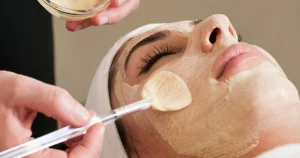
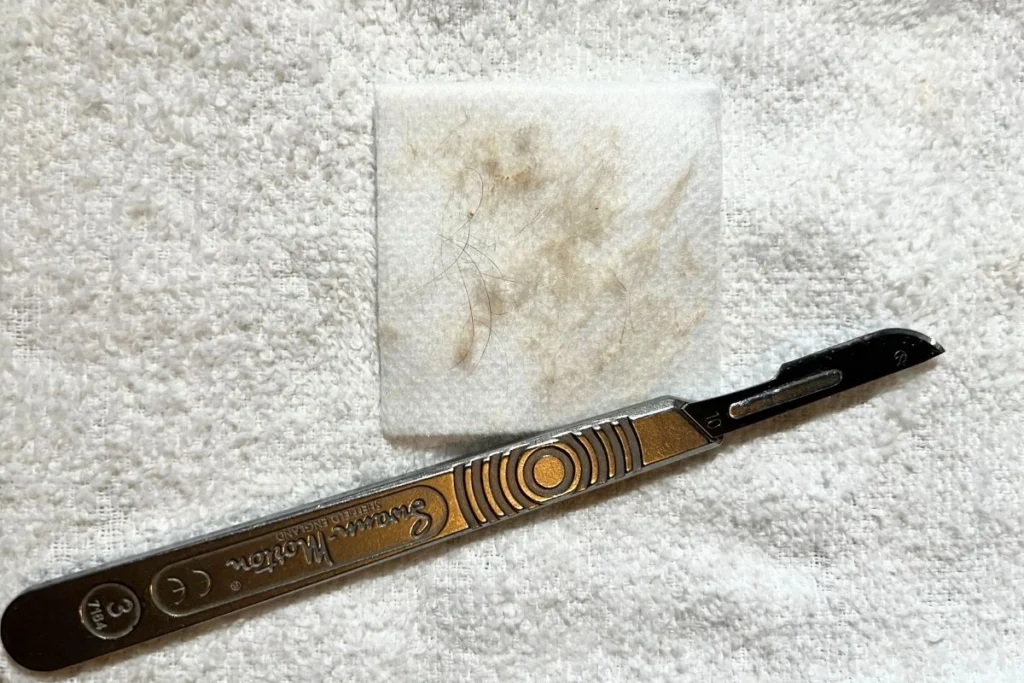
When you sit down in our treatment chair, we’re using a sterile, medical-grade blade — and more importantly, we’ve spent years learning exactly how to use it. The pressure, the angle, the movement — it’s all intentional and customized specifically for your skin.
The results speak for themselves. Smoother texture. Better product absorption. Foundation that practically melts onto your skin. And that lit-from-within glow that clients always mention on their way out the door.
It’s one of our favorite treatments to do, honestly, because the results are so immediate and so satisfying.
Let’s Talk About What Can Go Wrong at Home
Okay, real talk — because we think you deserve honesty, not just a sales pitch.
A lot of at-home dermaplaning tools are dull, rough, or not properly sterile. And even when you can’t see the damage happening, your skin absolutely can feel it. We’re talking tiny little micro-tears in the skin that can lead to:
- Irritation and redness
- Unexpected breakouts
- Increased sensitivity
- Uneven texture
- And in some cases, post-inflammatory pigmentation that can take weeks to fade
We know this firsthand, because one of our own estheticians tested popular at-home tools so she could truly understand what clients were experiencing.
The small mechanical device? It removed hair just fine, but left her skin feeling rough with zero real exfoliation. The little plastic facial razors that are all over social media? That was a different story entirely. The blade felt rough immediately, her skin barrier was noticeably compromised, and she broke out afterward — spending weeks getting her skin back on track. She was lucky pigmentation didn’t follow.
Needless to say, those razors are in the trash where they belong.
We Can Usually Tell — And We Promise We’re Not Judging
Here’s something worth knowing: experienced estheticians can often spot signs of regular at-home dermaplaning. Uneven exfoliation, irritation, over-exfoliated patches — these are little clues your skin leaves behind.
But please hear us when we say this: we are not here to judge your routine. Ever.
Our whole thing at Collab Medspa is education and support, not shame. If at-home dermaplaning is something you want to keep doing, we would so much rather you talk to us about it so we can help you do it as safely as possible. We can point you toward products that protect your skin barrier and help you build a routine that actually works for you.
So, Who Is Professional Dermaplaning Perfect For?
So many people! It’s especially wonderful if you have:
- Dry or dull skin that’s lost its glow
- Mature skin or texture concerns
- A big event coming up (hello, wedding season)
- A love of makeup and want the smoothest canvas possible
That said, it’s not for everyone. If you have active acne, dermaplaning can actually spread bacteria and make breakouts worse — so we’d steer you toward a different treatment. Sensitive skin clients can often still enjoy dermaplaning, but we take extra care and always assess your skin before we begin. That personalized approach is one of the biggest reasons to trust a professional with this one.
We’re Always In Your Corner
At the end of the day, our recommendation will always be to come see us for dermaplaning rather than going the DIY route — not to scare you, but because we genuinely want the best for your skin.
Skincare should feel fun. It should feel empowering. And it should definitely not leave you dealing with a damaged skin barrier for weeks.
So if you’re curious about whether professional dermaplaning is right for you, let’s chat. We’d love nothing more than to help you figure out the best path to smooth, glowing, healthy skin — together.
Ready to Glow?
Book a consultation with the Collab Medspa team and let’s create a plan that’s made just for you. Your skin deserves it.