So you’ve lost weight with Ozempic — that’s genuinely wonderful. You’ve put in the work, and it’s paying off. But then you catch yourself in the mirror and think… wait, do I look older?
You’re not imagining it, and you’re definitely not alone. So many people experience this that there’s actually a name for it now: “Ozempic Face.” Before you spiral, though, here’s the reassuring part — Ozempic isn’t actually aging you. What’s happening is a bit more nuanced, and the good news is, it’s something we can address.
So What’s Actually Going On?
It really comes down to the fat and muscle in your face.
When you lose weight with Ozempic, you also lose some muscle, and you lose it everywhere! – including the places that keep your face looking full and youthful. Your facial muscles are structural. It’s what gives your cheeks their lift, your jawline its definition, and your skin that smooth, plump quality we tend to associate with looking well-rested and young. Fat pads in our face keep us looking plump and healthy too. Without these, our skin starts to sag, especially around the cheeks, jawline, and lower face. The result? People who are healthier than they’ve been in years suddenly feel like their face looks tired.
It’s a frustrating paradox. But it makes sense once you understand what’s happening underneath.
Does Anyone Actually Regret It?
Here’s something interesting: in all our years at Collab Medspa working with weight-loss patients, we have never had a single person tell us they wish they hadn’t lost the weight.
Not one.
Most of our clients are genuinely thrilled — they feel better, move better, and carry themselves differently. Some knew going in that they might want to address their face afterward. Others figured it out along the way. But the conversation is never “I wish I hadn’t done this.” It’s almost always “I love how I feel — how do I get my face to match?”
That shift in framing matters. This isn’t about damage control. It’s about completing the transformation.
Where Do the Changes Show Up?
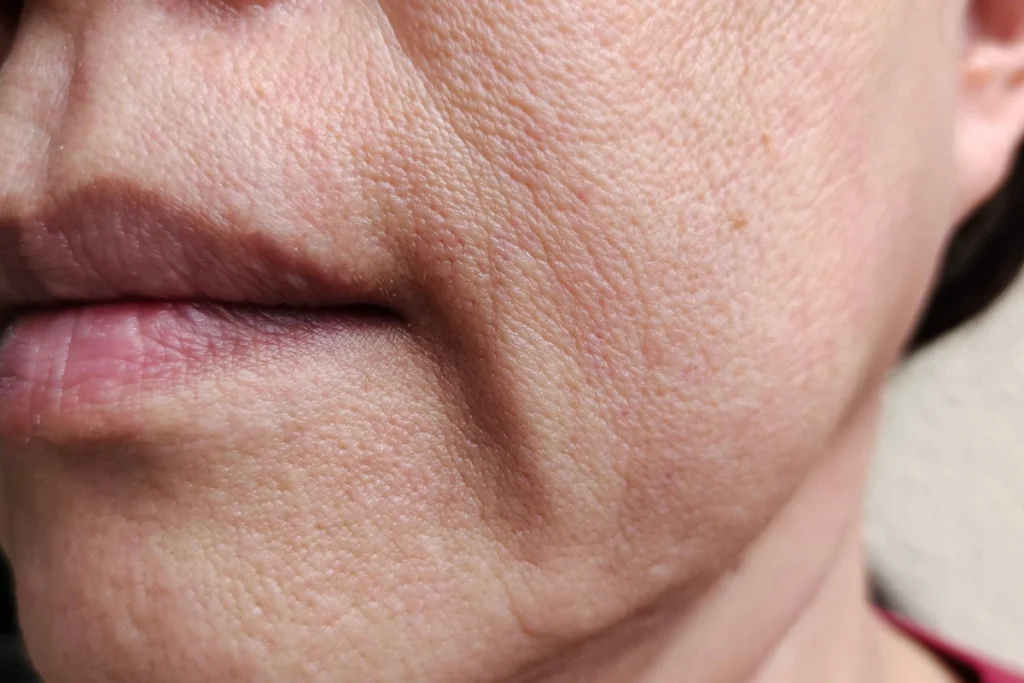
It varies from person to person, but the areas we see change most often are the cheeks, jawline, jowls, lower face, the corners of the mouth, and under the eyes.
One of the biggest things people notice is that their face loses its natural “V-shape.” When we’re younger, full cheeks provide a kind of scaffolding that lifts and supports everything below. As that volume disappears, the skin has less to hold onto — and it starts to drift downward. That’s when jowls become more noticeable, folds deepen, and the whole face can start to look a little deflated.
A Story Worth Sharing
One of our patients came to us certain she needed filler in her jowls. That was the thing she saw every time she looked in the mirror, and she was convinced that was the fix.
After a few conversations, we gently suggested something different — that treating the cheeks first would likely give her a much better result. We explained the reasoning, shared some resources, and encouraged her to do her own research before deciding.
She agreed to try it, cautiously — one syringe per cheek, with the understanding that she could always add more later.
The results were immediate. Friends started asking her what she’d done, saying she looked amazing but couldn’t quite put their finger on why. (That’s actually the best kind of compliment in this field.)
She came back for more treatment, eventually added some filler along her lower face, and now she’s one of our most enthusiastic advocates. But more than that — she finally feels like her face reflects the person she worked so hard to become.
The Most Common Mistake We See
People tend to fixate on the thing that bothers them most in the mirror. A jowl, a fold, a line. And that’s completely understandable — it’s human nature to zero in on what stands out.
But here’s the thing: that visible issue is often a symptom, not the root cause.
Facial aging is usually a structural problem. If the cheeks lose their support, the lower face is going to follow — no matter how much filler you put in the jowl area. That’s why we always start with a full facial assessment. When we look at the whole picture and treat it accordingly, people are almost always happier with the outcome than when we just chase individual concerns.
What Can Actually Help?
Every treatment plan is different, but most come down to two goals: restoring volume and structure, and improving the quality and firmness of the skin itself. Here’s what we often use:
Dermal Fillers
Dermal Fillers are usually the first tool we reach for. They restore lost volume and provide the structural support the face has lost — most often starting with the cheeks.
RF Resurfacing
RF Resurfacing uses radiofrequency energy to tighten and firm the skin. It’s especially helpful when the skin has become lax after weight loss.
Microneedling
Microneedling stimulates collagen production and improves overall skin quality and texture over time.
PRP Microneedling
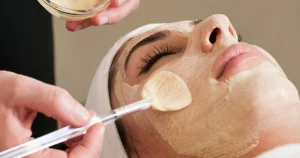
PRP Microneedling takes that a step further by combining collagen stimulation with your body’s own growth factors, helping skin become healthier and more resilient from the inside out.
Surgical Options
Surgical options are also worth discussing in cases of more significant skin laxity. Not everyone wants to go that route, and that’s completely valid. But for those who are open to it, we typically focus on building up skin health first — microneedling, PRP, RF resurfacing — well before they ever sit down with a surgeon.
Can You Get Ahead of It?
You can’t prevent every change, but starting early makes a real difference. Here’s what we recommend:
Build a solid skincare routine focused on hydration. Well-moisturized skin holds up better through the weight-loss process.
Stay consistent with professional treatments. This is where a lot of people slip up — they’re diligent at first and then life gets busy. Consistency is what drives long-term results.
Start skin rejuvenation while you’re still losing weight. You don’t have to wait until the process is over. Microneedling and RF resurfacing can support collagen production throughout the journey.
Address facial volume once your weight stabilizes. Once things level out, we can take a proper look at structure and figure out whether fillers make sense for you.
The Bottom Line
Ozempic is changing lives. But it can also change your face in ways you weren’t expecting — and that’s okay. You don’t have to choose between a healthier body and a face that looks the way you feel.
Take care of your body. Take care of your skin. Stay consistent. And when you’re ready to talk about the face stuff, we’re here — without judgment, without pressure, and with a genuine interest in helping you feel like the best version of yourself.
Because you did the hard work. Your face should get to celebrate it too.