
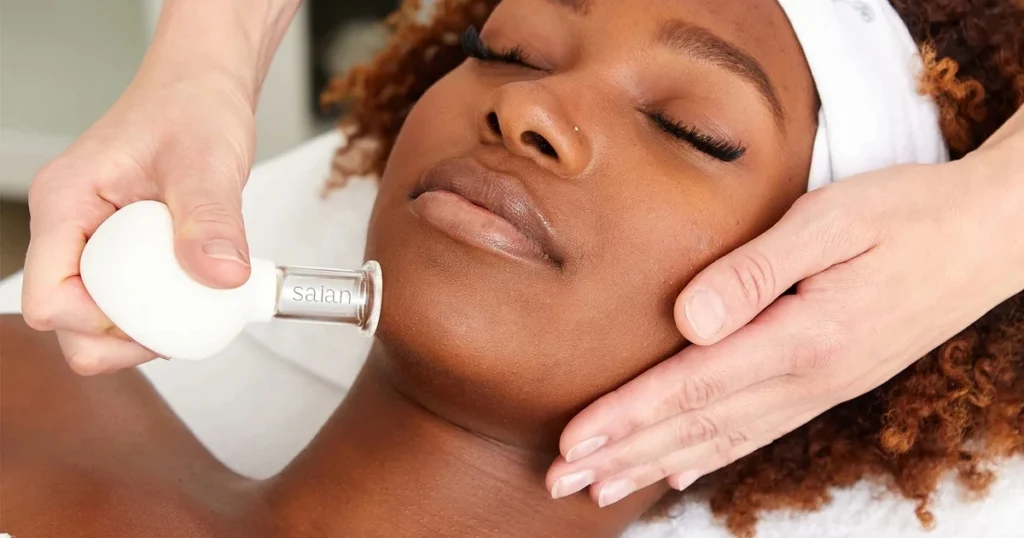
Lymphatic Drainage has been a trending topic but many people still don’t really know what it is…so “What actually is lymphatic drainage?”
And honestly, that’s the biggest hurdle. Most people haven’t had it explained to them in plain language — so once they finally understand it (and try it), it tends to click fast.
So let’s start simple. Lymphatic drainage, or LD as we call it around here, is a gentle treatment that helps encourage lymph fluid to move through your body. You can do it on the face, the body, or both, and it’s often used to help with puffiness or fluid that’s built up somewhere it shouldn’t be.
At Collab Medspa in Scottsdale, we offer a few different ways to try it — as part of a facial, folded into a HydraFacial, or as a full-body massage on its own. Here’s what I think is worth knowing before you book.
A Quick Word on Your Lymphatic System
Think of your lymphatic system as a quiet, background network — vessels, nodes, and organs working together to pick up extra fluid from your tissues and send it back into circulation. It also does a lot of heavy lifting for your immune system.
Here’s the catch, though: unlike your heart, which has one central pump keeping blood moving, your lymphatic system doesn’t have that. It relies on you — your movement, your muscles — to keep things flowing.
So when life gets in the way — surgery, an injury, certain health conditions, or even just too many hours sitting still — lymph fluid can back up and cause swelling.
That’s usually the moment lymphatic drainage enters the conversation.
So How Does It Actually Work?
When I’m explaining this to a client for the first time, I try to keep it simple: we’re gently helping fluid that’s gotten backed up find its way through the system again.
This isn’t a deep-tissue massage — if anything, it’s the opposite. The lymph vessels sitting just under your skin are delicate, so lymphatic drainage relies on very light, gentle movements to nudge fluid toward areas where it can drain normally.
That also means more pressure isn’t a good thing here. A lymphatic treatment that hurts or feels intense isn’t doing its job — it should feel gentle, every time.
How Do You Know If It’s Worth Asking About?
Puffiness and swelling are usually what bring people to us in the first place. Maybe it’s a puffy face, stubborn under-eye bags, swollen hands, or general fluid retention. A lot of clients also come in feeling congested or puffy specifically around the face and neck.
That said, I want to be upfront: not all swelling is a “lymphatic issue,” and it shouldn’t automatically be treated as one. If your swelling is new, painful, severe, or you can’t explain why it’s happening, please talk to your doctor before anything else.
Once that’s ruled out, we’re happy to help you figure out whether a facial or full-body approach makes more sense for you.
Facial Lymphatic Drainage, Two Ways
We currently offer two versions of facial LD, depending on what you’re already doing.
Manual Facial Lymphatic Drainage Add-On
This pairs with any facial. We use a gentle cupping or suction tool along with a light oil or masque, following a facial lymphatic drainage map: starting from the inner areas of the face, moving outward, then down past the ears and neck.
HydraFacial Lymphatic Drainage
If you’re already booked for a HydraFacial, we can attach a glass tool to the system and follow that same general lymphatic pattern with gentle suction.
Both are great if your face just feels puffy or congested and you want something light layered into your existing facial.
The Client Who Now Never Skips It
A while back, we ran a facial special that included lymphatic drainage, and a lot of those clients had never tried LD before. Their reactions were honestly some of my favorite feedback we’ve gotten.
One client in particular already loved her regular facial. But after adding lymphatic drainage that visit, she told us it felt like a completely different level of treatment. She said she could breathe more freely, and her face genuinely looked slimmer and less puffy afterward.
She’s added it to every facial since.
I’ll always say — one person’s experience isn’t a guarantee for everyone. But it’s exactly why we like giving clients the option to build their own treatment instead of a one-size-fits-all approach.
What About Full-Body Lymphatic Drainage?
For something more extensive, we offer a 90-minute Full Body Lymphatic Drainage treatment with one of our Licensed Massage Therapists.
It’s slow, it’s gentle, and it’s built entirely around encouraging lymphatic movement — not working out tight muscles or knots.
This tends to come up for two types of clients: those managing certain kinds of swelling, or those whose surgeon or provider has specifically recommended lymphatic massage as part of recovery.
We’ve worked with a number of clients who lost significant weight and then had skin-removal surgery afterward — a process that often comes with a lot of post-surgical swelling. For many of them, lymphatic drainage became a genuinely comforting part of getting through recovery, and we’ve seen real relief reported from the swelling and discomfort that comes with it.
One important note: always follow your surgeon’s instructions first. The research does suggest manual lymphatic drainage can support recovery after certain cosmetic procedures, but how much it helps depends a lot on the person and the procedure.
Can You Combine It With a Regular Massage?
Absolutely! This is honestly one of my favorite parts of what we do.
Some clients want lymphatic work, but they’re also walking around with tight shoulders or stubborn knots that need real attention. That’s where our Custom Specialty Massage comes in. It gives our massage therapists room to build a session around exactly what you need, instead of forcing you into a single format.
We don’t think everyone needs the same massage. We’d rather understand what’s going on with you first.
Let’s Clear Up the Weight Loss Myth
I want to be really direct about this one: lymphatic drainage does not burn fat, and it won’t cause lasting weight loss.
What it can do is reduce fluid buildup and puffiness, which might make an area look temporarily slimmer. That’s a very different thing from losing body fat — and if your face looks less puffy after a facial LD session, that’s fluid, not fat loss.
We’d rather be upfront about that distinction than let the myth stick around.
Does It “Detox” Your Body?
“Detox” gets thrown around a lot online, but I want to gently push back on the idea that lymphatic drainage is somehow forcing mysterious toxins out through your skin.
Your lymphatic system is already doing this job — managing fluid and waste — as part of how your body normally works. Your liver and kidneys are doing the heavy lifting on filtering, too.
If you’re generally healthy and your lymphatic system is working the way it should, there just isn’t strong evidence that routine lymphatic massage adds some extra detox benefit on top of that.
So instead of leaning on buzzwords, we’d rather describe it for what it actually is: a gentle nudge to help lymph fluid move.
Should It Hurt?
Nope — and I can’t emphasize this enough.
Lymphatic drainage should always use light, gentle pressure. We’re not digging into muscle or trying to leave you sore.
If you’re someone who’s used to deep-tissue work, this might feel surprisingly light in comparison. That’s not a mistake — that’s exactly how it’s supposed to feel.
Is This Only for Medical Situations?
Not at all — but it’s worth understanding the difference between wellness treatments and actual medical care.
Manual lymphatic drainage can be part of a treatment plan for conditions like lymphedema, though a real lymphedema diagnosis usually calls for a bigger plan involving things like compression, exercise, skincare, and specialized therapy — not just massage.
If that’s your situation, please work directly with your healthcare provider on the right approach.
For everyone else, facial LD or a lymphatic massage can simply be something you enjoy when you’re feeling puffy, or want to add something calming to your usual treatment.
Who Should Check With Their Doctor First?
This one matters: lymphatic drainage isn’t right for everyone.
If you have an active infection, a blood clot or deep vein thrombosis, certain heart conditions, or kidney failure, please don’t book lymphatic drainage without talking to your doctor first.
And if you’re considering it after surgery, check with your surgeon before scheduling anything. They’ll know when it’s safe to start and whether it fits your specific recovery.
When you’re not sure, ask your provider before us.
So, Which Option Fits You?
Here’s how I’d break it down:
If facial puffiness or congestion is your main concern, start with the Manual Facial Lymphatic Drainage add-on.
Already getting a HydraFacial? Try the HydraFacial Lymphatic Drainage option.
Want something more thorough for your whole body? Book the 90-minute Full Body Lymphatic Drainage session.
And if you want lymphatic work but also need someone to deal with tight muscles or knots, ask about a Custom Specialty Massage.
I’m not trying to convince you that you need lymphatic drainage. I just want you to understand your options well enough to pick what actually fits your body.
Come Try It at Collab Medspa
Honestly, one of my favorite moments is watching someone experience lymphatic drainage for the first time. So many clients have heard the term but have no idea what it actually feels like — or why it might be worth adding to their facial or massage.
At Collab Medspa, we build treatments around what you need, not the other way around. Sometimes that’s a little extra lymphatic work folded into a facial. Sometimes it’s a full 90 minutes dedicated to it.
Either way, it starts with a conversation.
If you’re curious about lymphatic drainage in Scottsdale, come talk to our team. We’ll walk you through the facial and full-body options and help you figure out what makes the most sense for you.


